Housing Affordability and Security
Housing Affordability and Security in the NZ Election 2026
Safe, secure and affordable housing is essential to health, independence and participation in community life. Housing has become an important election issue for renters, first-home buyers, older people, disabled people, low-income households, families and people living with long-term health conditions.
Housing policy is about more than increasing the number of homes. New Zealand also needs homes that are affordable, healthy, accessible and suitable for the people who live in them. Political parties should explain how their policies will improve housing security without leaving vulnerable households behind.
What Housing Issues Matter Most?
Rising rents, high property prices and limited housing choices can make it difficult for people to find a suitable place to live. Some households spend a large proportion of their income on housing, leaving less money for food, power, transport, healthcare and other essential costs.
Housing problems can have an even greater effect on disabled people, older New Zealanders and people living with sickness. A home may be affordable but still unsuitable because it has steps, narrow doorways, an inaccessible bathroom, poor heating or no access to public transport and healthcare.
Renters need homes that are affordable without requiring them to sacrifice food, heating, healthcare or other essential needs.
Stable tenancies can help families remain connected to schools, healthcare, employment and local support networks.
Younger New Zealanders and low- to middle-income households need realistic pathways into secure home ownership.
New Zealand needs enough suitable public and community housing for people who cannot secure safe and affordable homes through the private market.
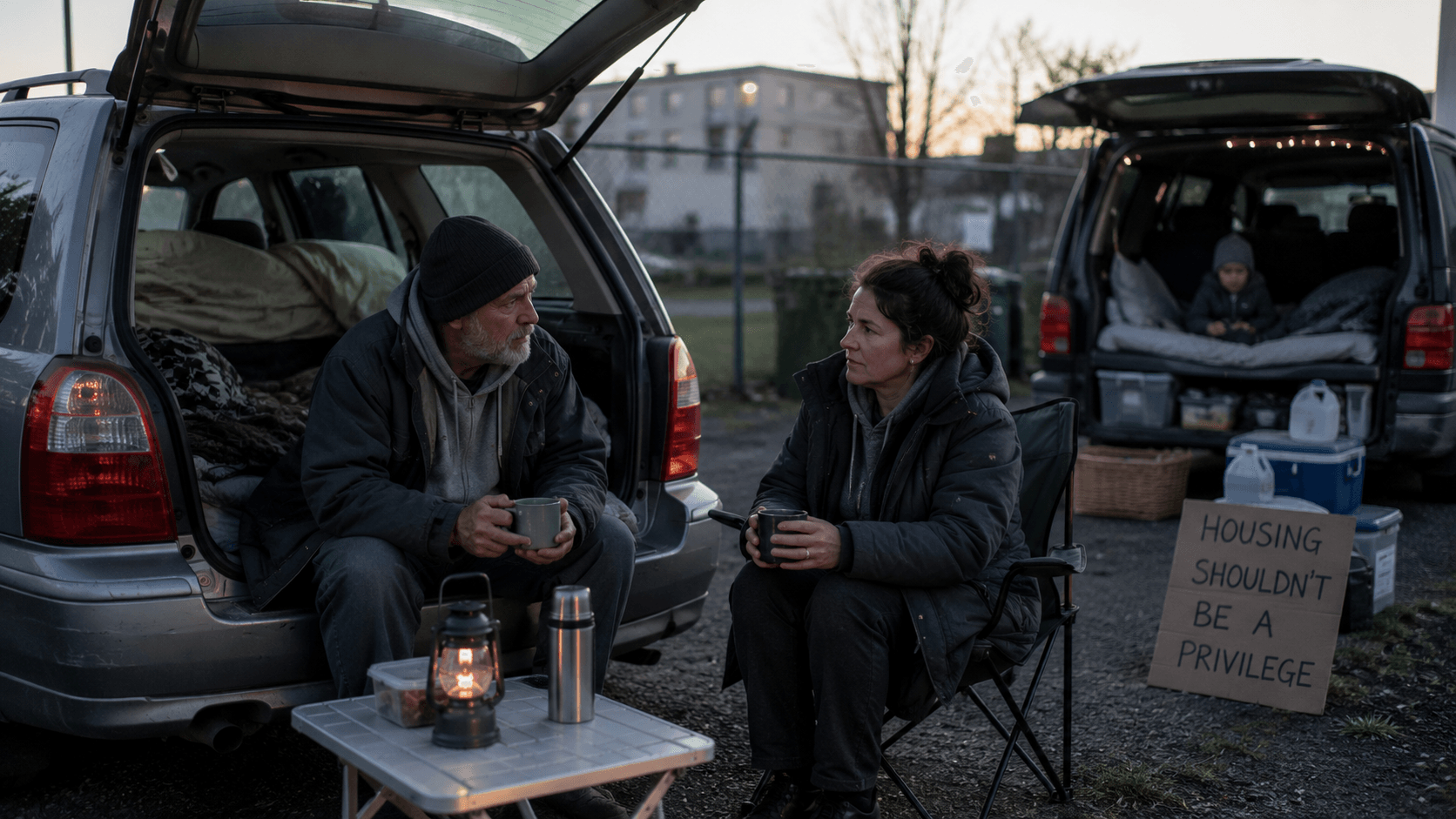
People facing homelessness need immediate safety as well as pathways into stable, permanent and appropriate housing.
Disabled people need homes with accessible entrances, wider doorways, suitable bathrooms, safe layouts and space for mobility equipment and support workers.
Warm, dry and well-ventilated homes can reduce illness and improve the wellbeing of children, older people and those with health conditions.
Older New Zealanders need secure, affordable and accessible housing that allows them to remain independent and connected to their communities.
Some people living with disabilities, mental-health conditions or complex needs require secure housing combined with appropriate support.
Smaller communities also need affordable homes close to healthcare, transport, employment, schools and essential services.
Political parties should clearly explain how their housing policies will improve affordability
Before the 2026 General Election, political parties should clearly explain how their housing policies will improve affordability, security, accessibility and long-term housing supply.
- What action will be taken to make rents more affordable?
- How will renters receive greater security without discouraging the supply of rental homes?
- What practical pathways will help first-home buyers enter the housing market?
- How many additional social and community homes will be provided?
- How will homelessness and reliance on emergency accommodation be reduced?
- What proportion of new public housing will be accessible?
- Will universal design principles be encouraged or required in new housing?
- How will older people be supported to remain safely in their own homes?
- How will the Accommodation Supplement respond to actual regional housing costs?
- What housing support will be available for people living with mental-health conditions or complex needs?
- How will healthy-home standards be monitored and enforced?
- How will rural and regional communities receive their fair share of housing investment?
An available home is not necessarily a suitable home.
A person may be offered housing that is too far from healthcare, inaccessible to a wheelchair, unsafe for an older person or unsuitable for a family member who requires daily support. Housing policy should consider location, accessibility, health, transport and support needs alongside the number of homes being built.
Housing security supports stronger communities.
Stable housing can improve health, education, employment and family wellbeing. It can also reduce pressure on hospitals, emergency services, temporary accommodation and community organisations.
This page will be updated throughout the Election 2026 campaign as political parties release policies on housing supply, rent, home ownership, social housing, homelessness, healthy homes and accessible housing.
Read more about accessible housing, transport and communities , explore our Cost of Living NZ Election 2026 page, or return to the NZ Election 2026 Disability Issues section .