Rural and Regional Services
Rural and Regional Services in the NZ Election 2026
Where a person lives should not determine whether they can access healthcare, education, transport, emergency services, employment or disability support. During the 2026 General Election, political parties should explain how they will ensure rural and regional communities receive fair access to essential services and public investment.
Rural and regional New Zealand plays an essential role in the country's economy, food production, tourism and community life. However, people living outside major cities can face longer travel distances, fewer services, workforce shortages and higher costs when accessing everyday support.
What Rural and Regional Issues Matter Most?
Rural and regional communities are diverse. They include farming districts, small towns, provincial centres, remote settlements and communities located a considerable distance from major hospitals, government agencies and specialist services.
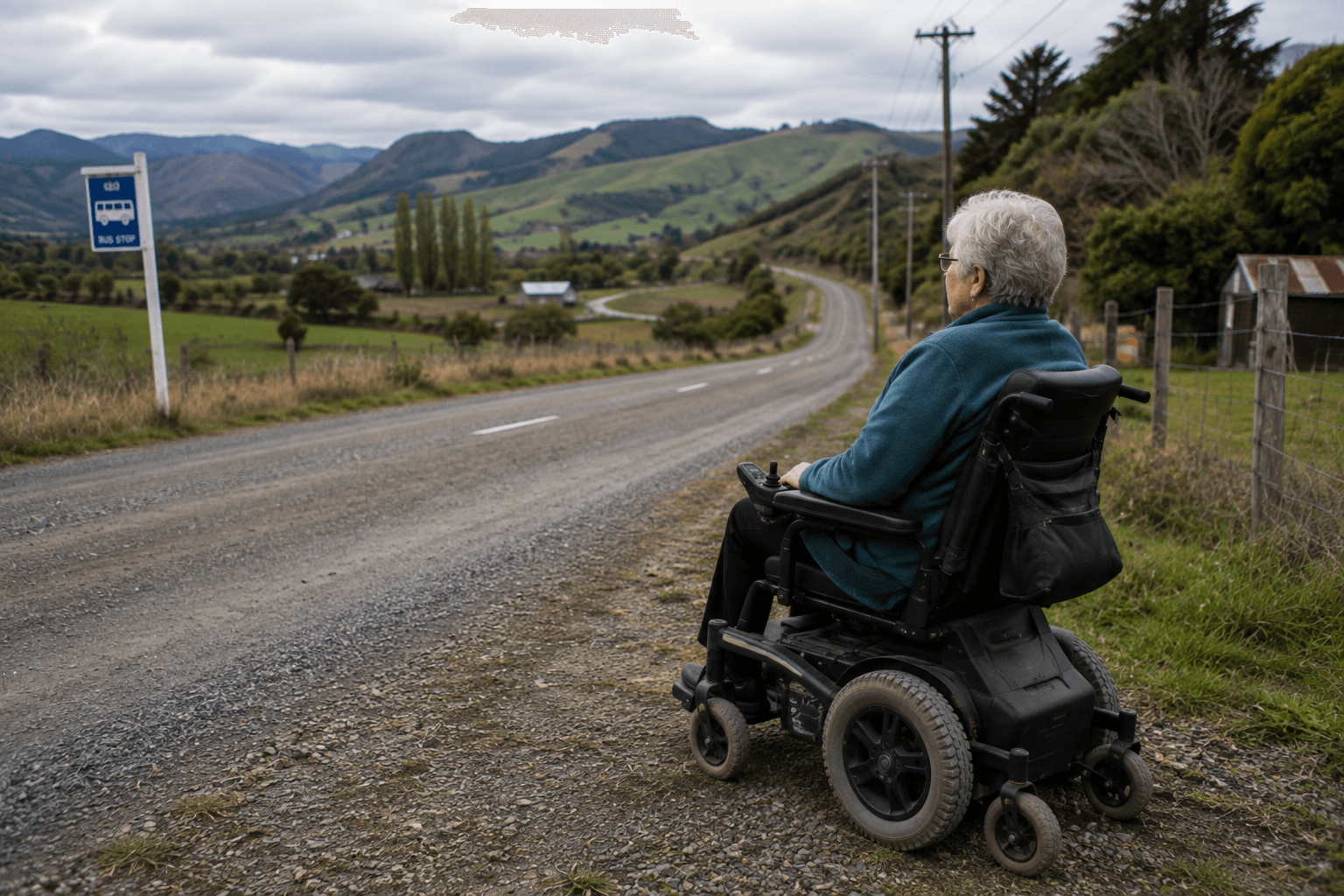
Many people living outside the largest cities experience limited public transport, fewer healthcare professionals, reduced access to education and training, slower digital connections and a shortage of suitable housing. These barriers can be particularly difficult for disabled people, older people, carers and families who need regular support.
Fair regional policy should not require every service to be identical across the country. It should ensure that people can access an acceptable standard of support, either locally or through reliable transport, outreach services, digital options and properly funded regional networks.
Rural communities need reliable access to general practitioners, nurses, pharmacies, maternity care, mental-health services and specialist treatment.
Ambulance, fire, rescue and emergency-response services must be adequately staffed and able to reach remote communities promptly.
Safe roads, reliable bridges, affordable fuel and practical transport options are essential for accessing work, education, healthcare and community life.
Small towns and rural districts need transport options for people who cannot drive, including older people, disabled people and those on low incomes.
Regional hospitals need appropriate staffing, equipment and specialist support so patients are not required to travel unnecessarily for essential care.
Disabled people living outside major cities should have fair access to equipment, assessments, personal support, respite care and accessible community services.
Older people should be able to remain in their communities with access to home support, residential care, healthcare and social connection.
Regional students need quality schools, learning support, vocational training, apprenticeships and pathways into local employment.
Political parties should explain how they will recruit and retain teachers, doctors, nurses, therapists and other essential workers in regional areas.
Investment in local industries, small businesses, tourism, farming, forestry, technology and training can create sustainable regional jobs.
Regional communities need affordable rentals, social housing, worker accommodation, accessible homes and suitable housing for older people.
Reliable broadband and mobile coverage are essential for business, education, telehealth, emergency communication and access to government services.
The loss of local banks, service centres and government offices can create serious barriers for people who cannot easily travel or use online systems.
Libraries, halls, recreation centres, accessible playgrounds and community hubs help regional communities remain connected and resilient.
Rural and regional communities need reliable infrastructure, emergency planning and recovery support when affected by storms, floods, fires and other disasters.
Distance should not become a barrier to essential services.
People in rural and regional communities may already spend more time and money travelling to appointments, education and work. Government policy should consider these additional costs and provide practical alternatives where local services are limited.
Strong regions create a stronger New Zealand.
Regional investment should support local jobs, essential infrastructure, community organisations and public services. Thriving regions reduce pressure on major cities while allowing people to build secure lives within the communities they know.
What action will be taken to strengthen regional hospitals?
Before the 2026 General Election, political parties should clearly explain how their policies will improve access to services and opportunities outside New Zealand's largest cities.
- How will rural communities gain better access to doctors, nurses, pharmacies and specialist healthcare?
- What action will be taken to strengthen regional hospitals?
- How will ambulance and emergency-response times be improved in remote areas?
- How will rural roads, bridges and transport connections be maintained and upgraded?
- What affordable transport options will be available for people who cannot drive?
- How will disabled people receive fair access to assessments, equipment and support services?
- How will older people access home support and aged care without leaving their communities?
- What incentives will attract doctors, teachers and other essential workers to regional areas?
- How will regional students access vocational training, apprenticeships and tertiary education?
- What policies will support small businesses and create secure regional employment?
- How will shortages of affordable, accessible and suitable housing be addressed?
- When will all rural communities have reliable broadband and mobile coverage?
- How will people access banking and government services when local offices close?
- How will community facilities and local organisations be supported?
- What investment will help rural and regional communities prepare for natural disasters and extreme weather?
Regional fairness should be part of every major policy.
Decisions about healthcare, transport, education, housing, disability support and infrastructure can have different consequences outside major cities. Political parties should assess how each policy will work in small towns, provincial centres and remote communities.
This page will be updated throughout the Election 2026 campaign as political parties release policies affecting rural and regional services, infrastructure, employment and community development.
Read more about Transport, Travel and Fuel Costs , explore Healthcare and Access to Care , or visit Accessible Housing, Transport and Communities .