NZ Election 2026 Home
NZ Election 2026: Disability Issues and Community Voices
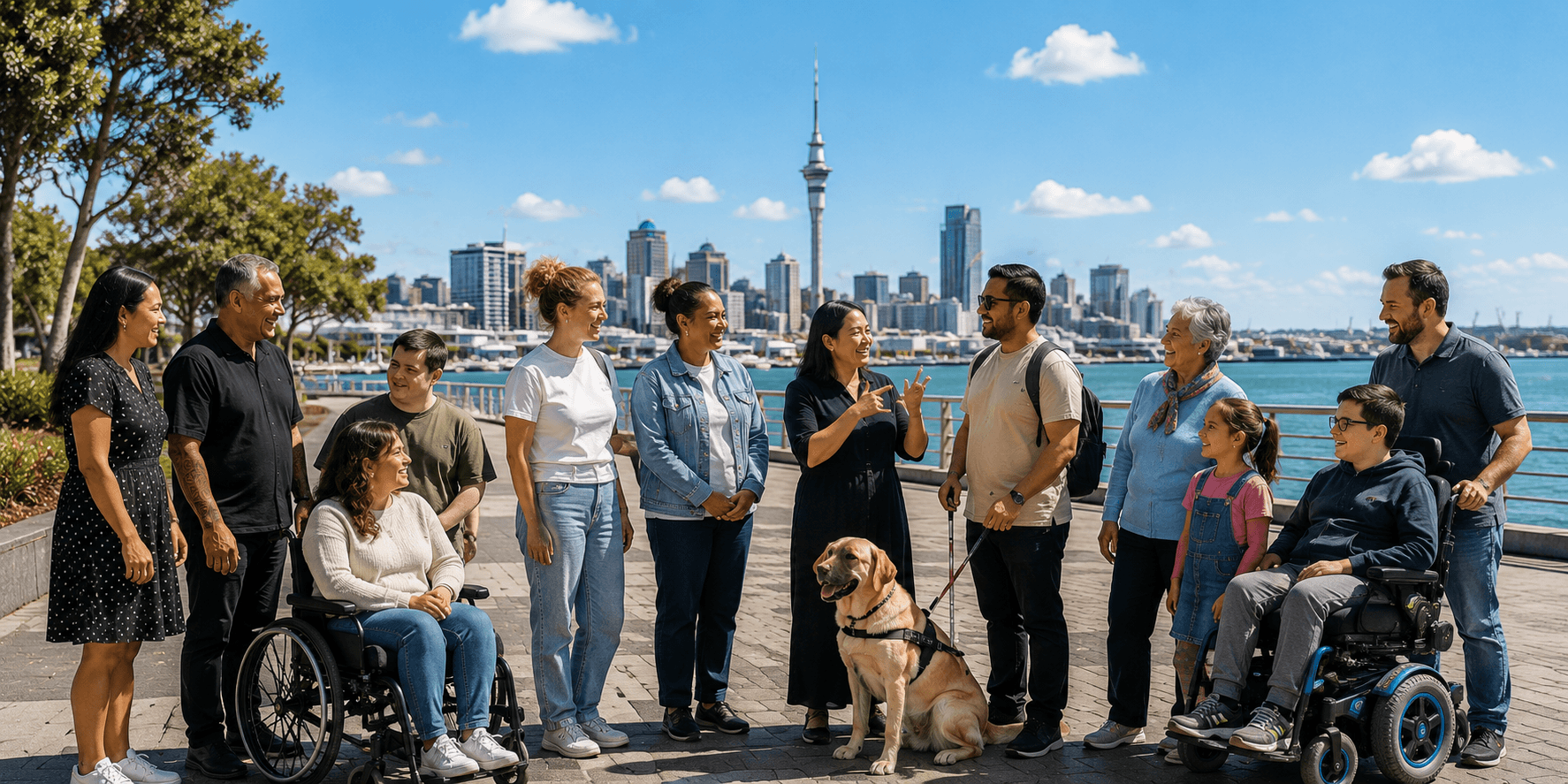
Disabled people, tāngata whaikaha Māori, carers, families and whānau deserve to be heard during the 2026 New Zealand election. This resource brings together disability issues, lived experiences, trusted information and political-party policies.
Disability must be part of the election conversation
Decisions made by government affect almost every part of life for disabled New Zealanders. Disability support, healthcare, education, housing, employment, transport, income, accessibility and support for carers are not minor issues. They influence people’s safety, independence, dignity and ability to participate in their communities.
Many disabled people, carers and disability organisations are concerned that major decisions are being made without enough meaningful involvement from the people most affected.
Inclusive World NZ is creating this page as an independent community asset where people can find information, compare policies, discover disability organisations and share their experiences.
What you will find here
This resource will continue to grow as the election approaches. New information, community contributions and political-party responses will be added as they become available.
Disability issues
Clear information about the policies, funding decisions and public services affecting disabled people, carers and whānau.
View the key issuesCommunity opinions
Lived experiences and opinions from disabled people, family carers, parents, advocates and disability organisations.
Learn about community voicesPolitical-party policies
A fair and accessible comparison of what New Zealand political parties are promising disabled people.
Read about the policy projectCarers and whānau
A dedicated focus on unpaid carers, parent carers, respite, family wellbeing and recognition of caring responsibilities.
Explore carer issuesTrusted organisations
Links to disability-led organisations, advocacy groups, support providers and reliable public information.
Find organisationsAccessible election information
Links to official enrolment, voting and accessible election information from the Electoral Commission.
Visit Vote NZKey disability issues for the 2026 election
The disability community is diverse, and people will not always hold the same political views. However, many of the barriers experienced by disabled people are shared across communities.
The following issues deserve clear policies, proper funding and meaningful answers from every political party.
Rights, participation and accountability
Disability policy should be judged by whether it improves real lives—not only by how it appears in an announcement or budget.
Nothing about us without us
Disabled people must be meaningfully involved in designing, reviewing and evaluating policies that affect them. Consultation should be accessible, properly resourced and early enough to influence the final decision.
Disability support as a right
Essential support enables disabled people to live safely, participate in their communities and exercise the same rights as other New Zealanders. It should not be treated as an optional favour.
Respect for carers and whānau
Families and unpaid carers provide enormous support, often at significant personal and financial cost. Government policy must not assume that families can continue absorbing more responsibility without adequate recognition or help.
Promises that can be measured
Political parties should provide clear commitments, realistic funding plans and timeframes. After the election, the community should be able to track whether those promises have been kept.
Comparing political-party disability policies
Inclusive World NZ intends to invite New Zealand political parties to answer the same set of questions about disability rights, support services, carers, housing, education, employment, healthcare, accessibility and community inclusion.
Responses will be presented in a consistent and accessible format so visitors can compare policies for themselves. Parties that do not respond will also be clearly identified.
A fair approach
This project will not tell people which party they must support. Each party will be offered a reasonable opportunity to explain its position. Where we publish commentary or criticism, it will be clearly identified as opinion rather than presented as neutral fact.
Our Community Speaks
Real experiences must be part of the public record
Policy documents and government announcements cannot fully describe what it is like to live with disability, navigate support systems or care for a disabled family member.
We are developing a dedicated opinions and lived-experience section where disabled people, carers, parents, whānau, advocates and disability organisations can contribute respectful articles about the issues affecting their lives.
Contributions may be published under a full name, first name, organisation name or anonymously, subject to our publication and moderation guidelines.
Disability organisations and trusted voices
No single organisation can represent every disabled person. This directory will connect visitors with a range of disability-led organisations, advocacy groups and reliable sources of information.
CCS Disability Action
A national pan-disability organisation providing support, advocacy, information and public commentary about issues affecting disabled people and whānau.
Visit CCS Disability ActionDisabled Persons Assembly NZ
A national disabled people’s organisation working to advance disability rights, participation and implementation of the UN Convention on the Rights of Persons with Disabilities.
Visit Disabled Persons Assembly NZCarers New Zealand
Information, advocacy and resources for family, whānau and aiga carers supporting people with health conditions, disability, illness or injury.
Visit Carers New ZealandPeople First New Zealand
A disabled people’s organisation led by and for people with learning disability, supporting self-advocacy, rights and accessible information.
Visit People First New ZealandWhaikaha – Ministry of Disabled People
Official government information about disability policy, the New Zealand Disability Strategy and work involving disabled people.
Visit WhaikahaElectoral Commission
Official information about enrolling, voting, election dates, accessible voting services and participation in New Zealand elections.
Visit Vote NZIndependent, respectful and community focused
Inclusive World NZ supports strong advocacy and honest discussion. We will also work to keep this resource credible, understandable and fair.
- We will distinguish clearly between verified information, organisational statements and personal opinion.
- We will welcome respectful contributions from people with different lived experiences and political perspectives.
- We will not publish discriminatory content, personal abuse or unsupported allegations about individuals.
- We will link to original sources wherever practical and display publication or update dates on election-related articles.
- We will invite political parties to answer the same core disability-policy questions.
- We will centre the voices of disabled people, tāngata whaikaha Māori, carers, families and whānau.
Independence and political content
Inclusive World NZ is an independent disability-focused community platform. It is not affiliated with or authorised by any New Zealand political party or election candidate.
We may publish criticism, support or personal opinions relating to government decisions and political-party policies. The views expressed by individual contributors remain their own and do not necessarily represent every member of the disability community.
Information may change during the election campaign. Visitors should check publication dates and consult official sources before relying on election or voting information.
Help bring disability issues into the 2026 election
Your experience and knowledge matter
This resource will become stronger through contributions from disabled people, carers, family members, advocates, community groups and disability organisations throughout Aotearoa New Zealand.
Share this page, suggest an organisation, identify an election issue or contact us about contributing a community opinion.
Child Poverty and Disability
Families raising disabled children often face higher everyday costs, reduced earning opportunities and greater financial pressure. Learn more about the connection between child poverty, disability and material hardship in New Zealand.
Read About Child Poverty and Disability