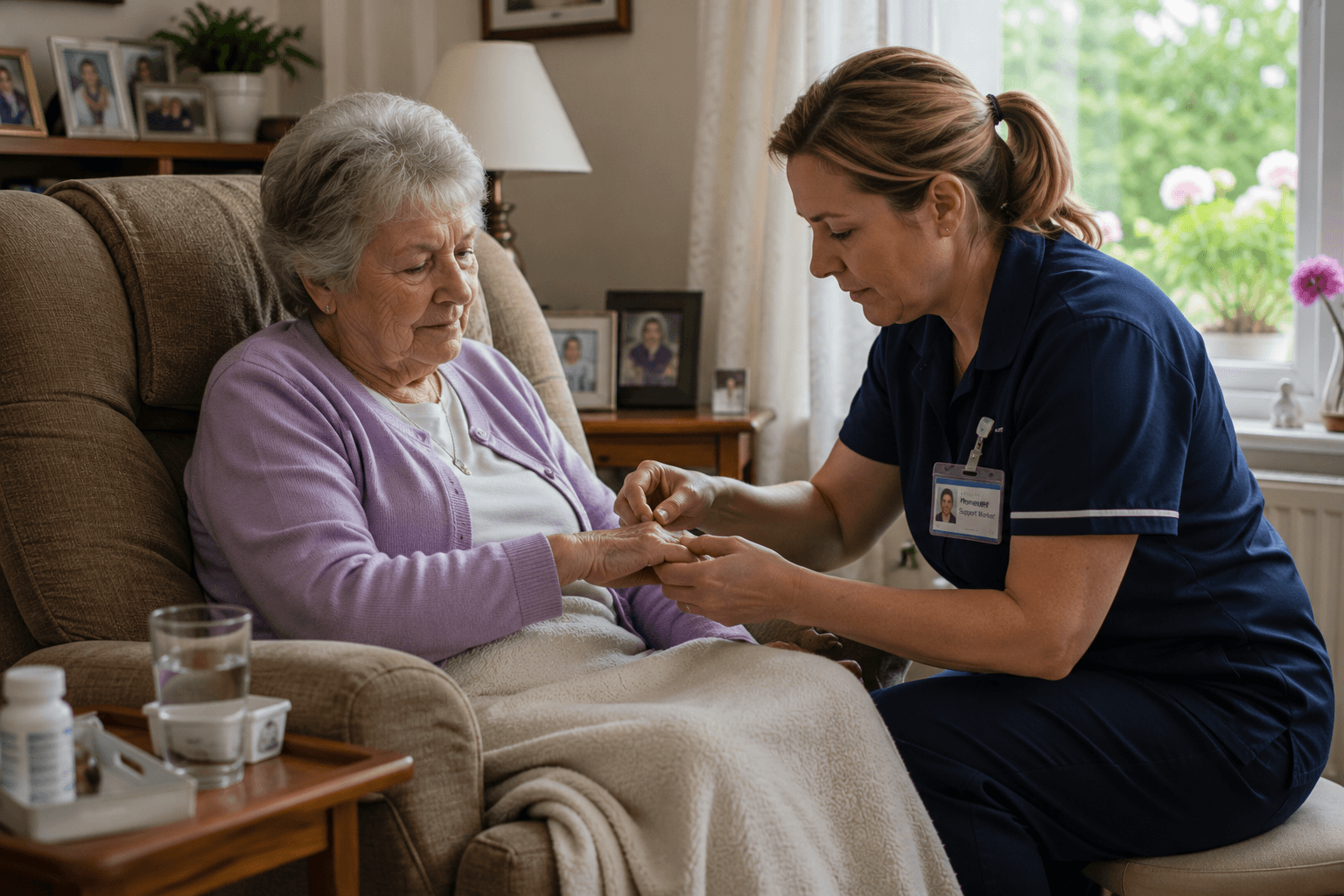
Aged Care and Home Support
Aged Care and Home Support in the NZ Election 2026
Access to safe, affordable and reliable aged care is an important election issue for older New Zealanders, disabled people, family carers, health professionals and whānau.
Many older people want to remain in their own homes for as long as possible. Achieving this requires dependable home support, accessible housing, suitable healthcare, respite services and enough trained workers to provide quality care.
What Aged Care and Home Support Issues Matter Most?
New Zealand's ageing population will place increasing pressure on home support services, residential care, hospitals, dementia services and the wider health workforce. Election policies must look beyond short-term funding and provide a sustainable plan for the future.
Older people should be able to make meaningful choices about where and how they live. Some will want support to remain at home, while others may need retirement village care, rest-home care, hospital-level care or specialist dementia services. Every option should be safe, respectful, affordable and appropriate to the person's needs.
Reliable personal care, household assistance, medication support and practical help can allow older people to remain safely at home.
Rest homes and hospital-level care need sustainable funding, strong quality standards and enough trained staff to meet growing demand.
People living with dementia and their families need earlier diagnosis, specialist support, respite care and suitable residential options.
Family and whānau carers need recognition, practical support, respite, training and adequate financial assistance.
Better pay, training, staffing levels and working conditions are essential for recruiting and retaining skilled aged-care and home-support workers.
Older people living outside major centres should have fair access to home support, transport, healthcare and residential care.
Care costs, accommodation charges, transport and healthcare expenses should not place older people or their families under unreasonable financial pressure.
Older people should be involved in decisions about their care and treated with dignity, respect and cultural understanding.
Questions Political Parties Should Answer
Before the 2026 General Election, political parties should clearly explain how they will improve aged care and help older New Zealanders remain independent.
- How will home support services be funded to meet growing demand?
- What will be done to reduce delays in receiving home-based care?
- How will residential aged-care facilities be sustainably funded?
- What minimum standards will apply to staffing, safety and quality of care?
- How will dementia services and respite care be improved?
- What support will be available for family and whānau carers?
- How will aged-care and home-support workers be recruited and retained?
- How will older people in rural and regional communities receive fair access to services?
- What will be done to make care affordable for people on fixed incomes?
- How will older people be involved in decisions about services that affect them?
Supporting independence must be a central goal.
Good home support can prevent avoidable hospital admissions, reduce pressure on family carers and help older people remain connected to their communities. Residential care must also be available when living at home is no longer safe or practical.
This page will be updated as political parties release policies on aged care, home support, dementia services, workforce funding, residential care and support for carers.
Explore more information in our NZ Election 2026 Disability Issues section and read more about carers and whānau disability issues .