Education and Skills
Education and Skills in the NZ Election 2026
Education helps shape New Zealand’s future. Every child, young person and adult should have access to learning opportunities that recognise their abilities, provide practical support and prepare them for employment, independence and participation in community life.
Education policy should be measured by more than test results. A fair education system should support academic learning, practical skills, creativity, wellbeing and inclusion while ensuring that disabled and neurodivergent learners are not left behind.
What Education and Skills Issues Matter Most?
New Zealand’s education system must respond to the different needs of learners across early childhood education, primary and secondary schools, vocational training, apprenticeships, universities and adult education.
Some students thrive in traditional classrooms, while others learn better through practical experience, smaller groups, specialist teaching, assistive technology or individual support. Education policy should create multiple pathways to success rather than expecting every learner to progress in the same way.
Teacher shortages, limited learning support, school attendance, qualification costs and unequal access to training can all affect a person’s future opportunities. These challenges may be greater in rural communities and for disabled, neurodivergent and low-income learners.
Families need access to affordable, high-quality early childhood education that supports development, communication, social skills and early intervention.
Schools need effective teaching, appropriate resources and realistic strategies to improve literacy, numeracy, science and wider learning outcomes.
Attendance policies should address the reasons students disengage, including bullying, illness, disability, anxiety, transport difficulties and unmet learning needs.
Schools need enough qualified teachers, teacher aides, specialists and support staff to provide consistent and effective education.
Disabled and neurodivergent students should be welcomed, supported and included in school life rather than being excluded because appropriate assistance is unavailable.
Students who need additional help should receive timely assessments, specialist services, teacher-aide support and suitable learning resources.
Every learner should be safe from bullying, harassment, discrimination and violence, with effective processes for reporting and resolving concerns.
Schools and tertiary providers need access to counselling, wellbeing support and clear pathways into specialist mental-health services.
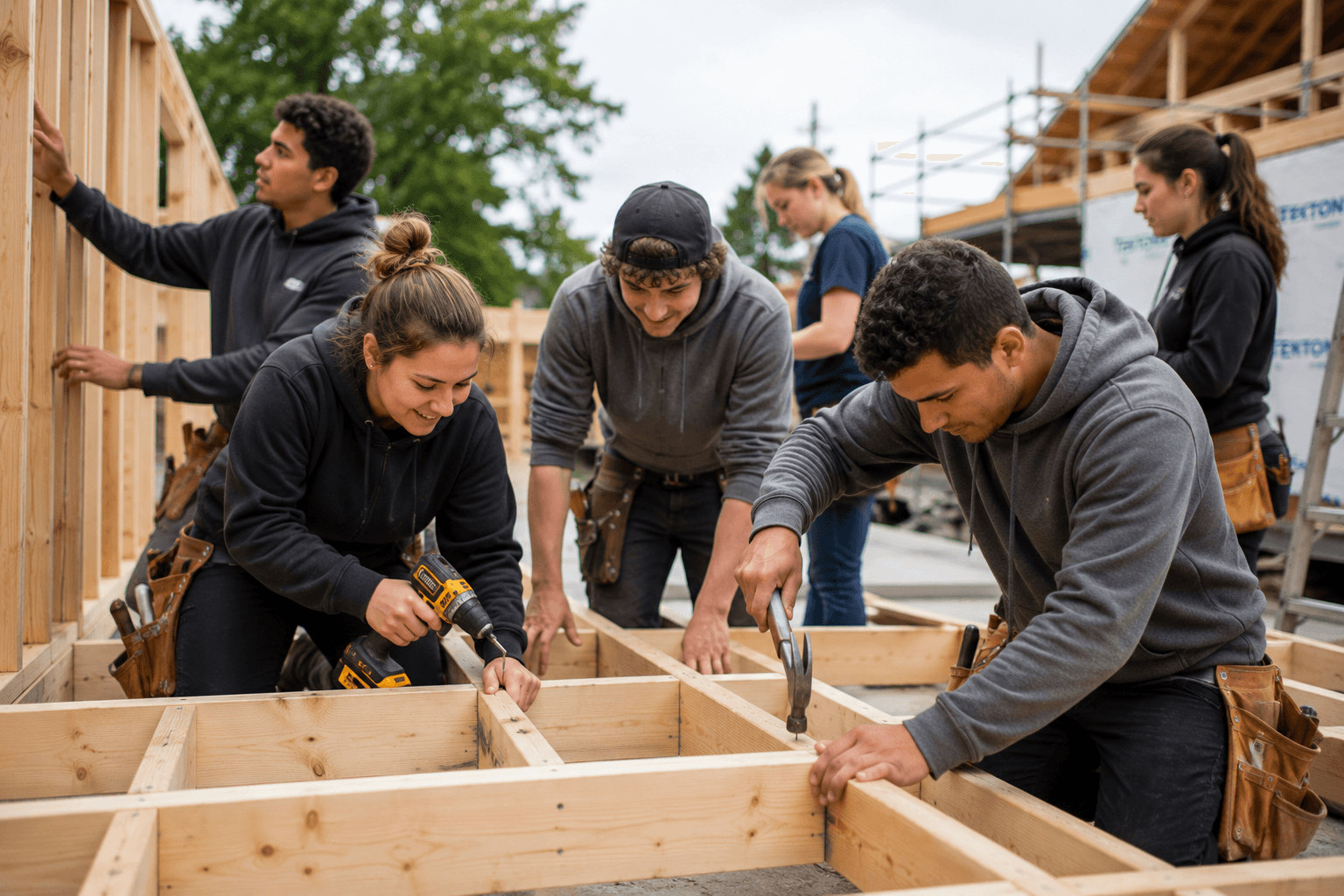
Trades and practical careers should be valued alongside academic pathways, with accessible training that responds to regional and national skill needs.
Apprenticeships can provide young people and career changers with practical skills, recognised qualifications and a direct pathway into employment.
Course fees, accommodation, transport and living expenses can create significant barriers for students and may lead to long-term debt.
Adults affected by redundancy, disability, injury or changing industries need realistic opportunities to retrain and develop new skills.
Learners need access to digital technology, internet connectivity and the skills required to participate in modern education and employment.
Learners outside major cities should have fair access to teachers, specialist services, training providers, transport and online learning.
Schools and training providers should help learners develop practical experience, career plans and connections with suitable employers.
Equal access does not always mean identical support.
Some learners need additional teaching, accessible buildings, assistive technology, communication support, flexible assessment or more time to complete their work. Providing these supports does not give students an unfair advantage; it helps remove barriers that other learners do not face.
There should be more than one pathway to success.
University is the right choice for some learners, while others may succeed through apprenticeships, vocational training, supported employment, entrepreneurship or practical workplace learning. Every pathway should be respected and supported.
How will disabled and neurodivergent learners receive timely support?
Before the 2026 General Election, political parties should clearly explain how their education and skills policies will improve learning, inclusion and future opportunities.
- How will literacy, numeracy and wider educational achievement be improved?
- What action will be taken to recruit and retain qualified teachers?
- How will teacher aides and specialist learning-support staff be funded?
- How will disabled and neurodivergent learners receive timely support?
- What measures will prevent disabled students from being excluded or sent home because support is unavailable?
- How will bullying, discrimination and violence in education be addressed?
- What support will schools receive to improve student attendance?
- How will anxiety, mental distress and other health-related barriers to attendance be recognised?
- What access will students have to counselling and mental-health services?
- How will vocational education and apprenticeships be strengthened?
- What financial support will make tertiary education and training affordable?
- How will adults access retraining after redundancy, illness or injury?
- How will students in rural and regional communities receive fair access to education?
- What investment will be made in digital access, technology and future-focused skills?
- How will schools and training providers help learners transition into employment?
- How will students, families, teachers and disabled people help shape education policy?
Education should recognise ability and potential.
A student’s future should not be limited by disability, family income, location or the availability of support at their local school. Every learner deserves the opportunity to develop skills, gain confidence and pursue a meaningful future.
This page will be updated throughout the Election 2026 campaign as political parties release policies on schools, teachers, inclusive education, tertiary study, vocational training, apprenticeships and workforce skills.
Read more about disabled children and inclusive education , explore Youth Mental Health in the NZ Election 2026 , or visit Employment, Unemployment and Fair Work .