Transport, Travel and Fuel Costs
Transport, Travel and Fuel Costs in the NZ Election 2026
Reliable, affordable and accessible transport helps people reach work, education, healthcare, shops and community activities. During the 2026 General Election, political parties should explain how they will improve transport while keeping travel affordable for households, businesses and communities.
Transport is about more than roads. People need practical, affordable and accessible ways to travel regardless of where they live, their income, age or disability.
What Transport Issues Matter Most?
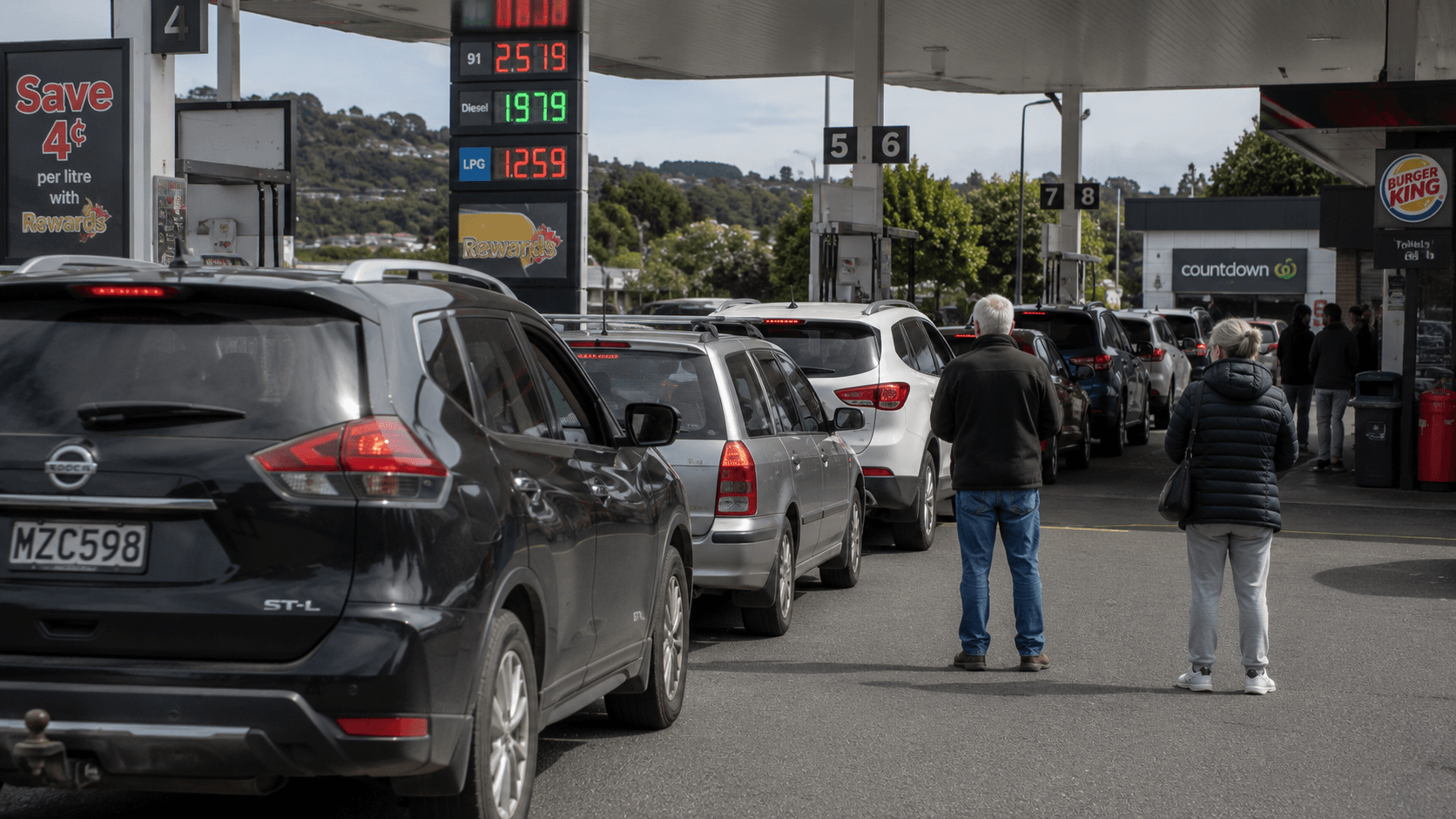
For many New Zealanders, transport is one of the largest household expenses. Fuel prices, vehicle costs, insurance, road user charges, public transport fares and parking all affect family budgets and the cost of doing business.
Communities also rely on safe roads, reliable public transport and transport services that connect people with employment, healthcare, education and recreation. Rural communities often face additional challenges because travel distances are longer and transport options are more limited.
Disabled people, older New Zealanders and people with temporary injuries may face further barriers if transport services are inaccessible or unavailable.
Petrol and diesel prices affect household budgets, businesses, freight costs and the price of everyday goods and services.
Reliable buses, trains and ferries help reduce congestion while improving access to employment, education and healthcare.
Public transport, taxis and community transport should be accessible for wheelchair users, older people and others with mobility, sensory or communication needs.
Investment in safer roads, intersections, footpaths, crossings and driver education can reduce injuries and save lives.
Roads and bridges require ongoing maintenance to support safe travel, tourism, freight and emergency services.
People living outside major cities need practical transport options and safe roads to access essential services.
Accessible parking and drop-off areas allow disabled people to participate more fully in work, education and community life.
Volunteer transport services, Total Mobility and community transport schemes help many people remain independent.
Political parties should explain how electric vehicle policy fits alongside affordability, infrastructure and environmental objectives.
Reliable freight networks support businesses, exporters, food distribution and regional economic growth.
Accessible transport creates equal opportunities.
When transport is accessible and affordable, people are better able to work, study, attend medical appointments, volunteer and participate in community life. Transport policy should recognise accessibility as an essential part of inclusion rather than an optional extra.
Transport connects communities.
Investment in roads, public transport, walking and cycling infrastructure and accessible travel benefits individuals, businesses and regional economies while helping communities stay connected.
How will transport remain affordable for households
- How will transport remain affordable for households facing rising living costs?
- What investment is planned for roads, bridges and state highways?
- How will public transport become more reliable and affordable?
- How will transport services become more accessible for disabled people?
- How will rural communities receive fair transport investment?
- What support will remain for the Total Mobility Scheme and community transport?
- How will fuel prices and transport taxes affect household budgets?
- How will road safety continue to improve?
- What is the long-term strategy for electric vehicles and charging infrastructure?
- How will freight networks support economic growth?
- How will walking and cycling infrastructure improve safety and accessibility?
- How will transport planning support population growth and future communities?
Good transport policy supports every part of society.
Transport influences employment, healthcare, education, housing and community participation. Political parties should explain how transport investment will improve affordability, accessibility, safety and economic productivity for all New Zealanders.
This page will be updated throughout the Election 2026 campaign as political parties release policies on roads, public transport, fuel, accessibility and transport infrastructure.
Read more about Housing Affordability and Security, visit Employment, Unemployment and Fair Work, or explore Accessible Housing, Transport and Communities.