Family Violence, Child Safety and Family Support
Family Violence, Child Safety and Family Support in the NZ Election 2026
Every child deserves to grow up safe, supported and free from violence. Every person experiencing abuse should be able to access protection, safe housing and practical support. During the 2026 General Election, political parties should explain how they will prevent family violence, protect children and strengthen the services that support families and whānau.
Family violence and child abuse can have lifelong consequences. Effective policy must respond quickly when people are in danger while also investing in prevention, early intervention, housing, counselling, education and long-term recovery.
What Family Safety and Support Issues Matter Most?
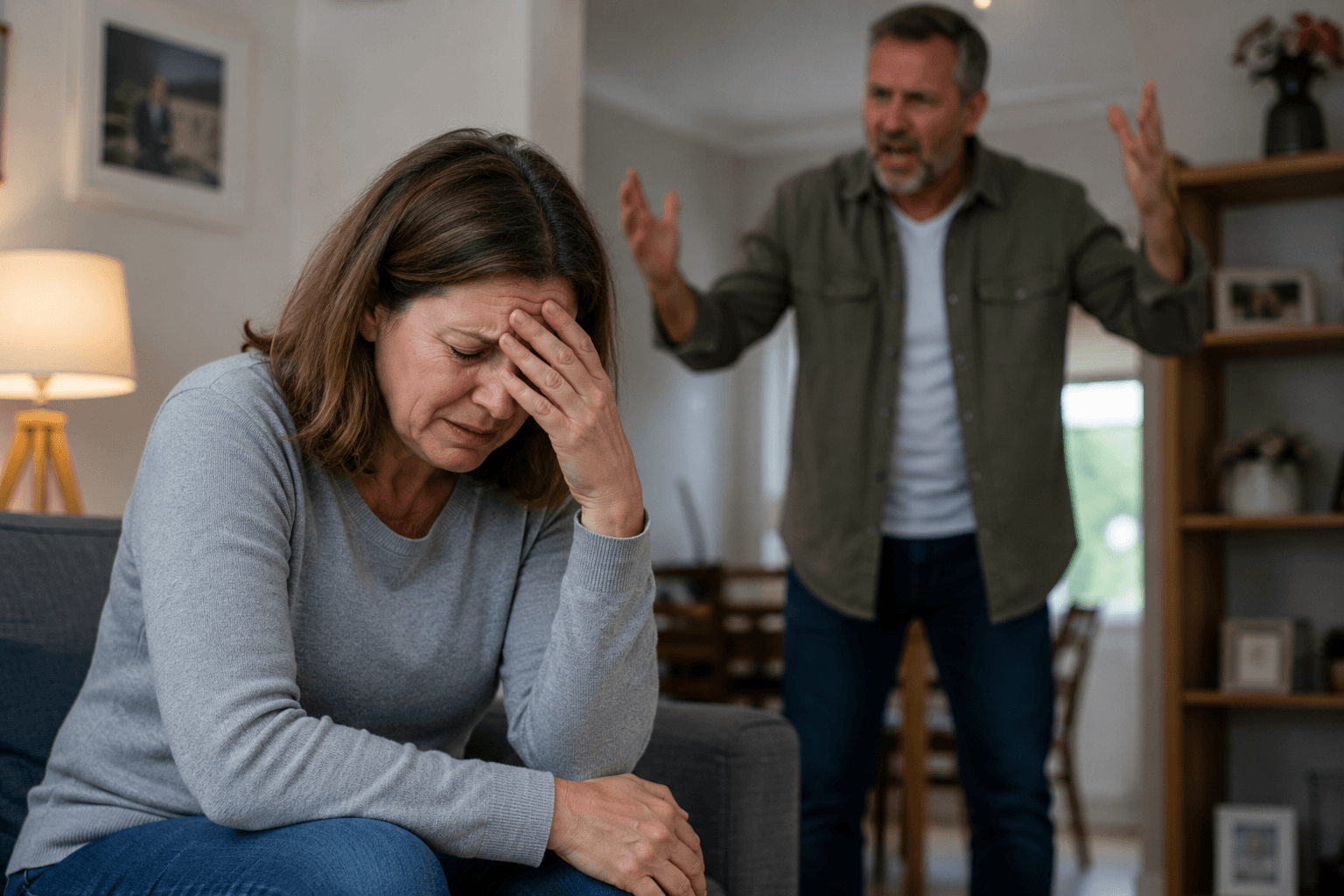
Family violence can include physical, emotional, psychological, sexual and financial abuse, as well as coercive control, intimidation, neglect and exploitation. It can affect people of every age, background and income level.
Children can be harmed directly through abuse or neglect, and indirectly when they witness violence between adults. Families need services that respond early, work together effectively and place the safety and wellbeing of children at the centre of every decision.
Disabled people, older people, children with additional needs and people who rely on others for personal care, transport, communication or financial support may face additional barriers when trying to report abuse or leave an unsafe situation. Services must be accessible, confidential and responsive to different needs.
Prevention requires public education, healthy relationship programmes, early intervention and services that address harmful behaviour before violence escalates.
Children at risk need prompt, skilled and coordinated responses that prioritise safety, stability and long-term wellbeing.
People experiencing violence need confidential advice, advocacy, counselling, legal support and practical help to rebuild their lives.
A lack of suitable housing should never force a person or family to remain in an unsafe home or return to an abusive situation.
Refuge accommodation and support services should be accessible to disabled adults, disabled children and people with mobility, sensory or communication needs.
Families should be able to access practical parenting advice, home-based support, respite, counselling and assistance during periods of stress or crisis.
Children and adults affected by violence need timely access to trauma-informed counselling, mental-health care and long-term recovery support.
Financial dependence can make it harder to leave an abusive relationship. Income support, housing assistance and employment services can help people regain independence.
Police and emergency services need appropriate training, staffing and procedures to respond quickly and safely to family violence incidents.
Victims need timely access to protection orders, legal advice and court processes that minimise additional trauma and delay.
Children affected by violence may need stable housing, counselling, educational support and trusted adults who understand trauma and recovery.
Families raising disabled children need reliable disability support, respite care and practical assistance that reduces pressure without blaming families for seeking help.
Behaviour-change programmes, addiction treatment and mental-health services can help prevent further harm while maintaining accountability for abusive behaviour.
People living outside major cities need confidential local services, safe transport and access to refuge, police, courts and counselling.
Police, courts, schools, healthcare providers, disability services and community organisations need to share responsibility and work together effectively.
Leaving an abusive situation is not always simple.
A person may depend on the abusive individual for housing, income, transport, communication, personal care or access to children. Services must understand these barriers and provide realistic, safe and confidential pathways to independence.
Supporting families early can prevent greater harm.
Affordable housing, adequate income, accessible healthcare, disability support, respite care, parenting assistance and mental-health services can reduce pressure on families. Seeking help should be treated as a responsible step, not as a reason for shame or punishment.
How will police responses to family violence be improved?
Before the 2026 General Election, political parties should explain how they will protect children, prevent family violence and ensure families can access effective help before a crisis becomes more serious.
- What action will be taken to prevent family and sexual violence?
- How will children at risk of abuse or neglect receive faster and more effective protection?
- How will victims access confidential advice, counselling and legal support?
- Will sufficient emergency, transitional and long-term housing be available for people leaving violence?
- How will refuge services become accessible to disabled adults and children?
- What support will be available for children who have experienced or witnessed violence?
- How will police responses to family violence be improved?
- How will protection orders and Family Court processes become faster and less traumatic?
- How will disabled people who depend on an abuser for personal care or communication receive help safely?
- What practical support will be available to families experiencing stress, poverty or housing insecurity?
- How will parents of disabled children access reliable respite and family support?
- How will trauma-informed mental-health services be made available to children and adults?
- What programmes will hold people who use violence accountable while helping them change their behaviour?
- How will rural and regional communities gain access to refuge, counselling and specialist support?
- How will government agencies and community organisations work together without families repeatedly retelling traumatic experiences?
Safety, dignity and long-term recovery must remain central.
Strong policy should protect people in immediate danger while also addressing the conditions that can increase vulnerability. This includes housing insecurity, financial hardship, social isolation, inadequate disability support, addiction and limited access to mental-health care.
This page will be updated throughout the Election 2026 campaign as political parties release policies on family violence prevention, child protection, victim support, safe housing and family services.
Read more about Housing Affordability and Security , explore Youth Mental Health , or visit Carers and Whānau Disability Issues .