Adult Mental Health
Adult Mental Health in the NZ Election 2026
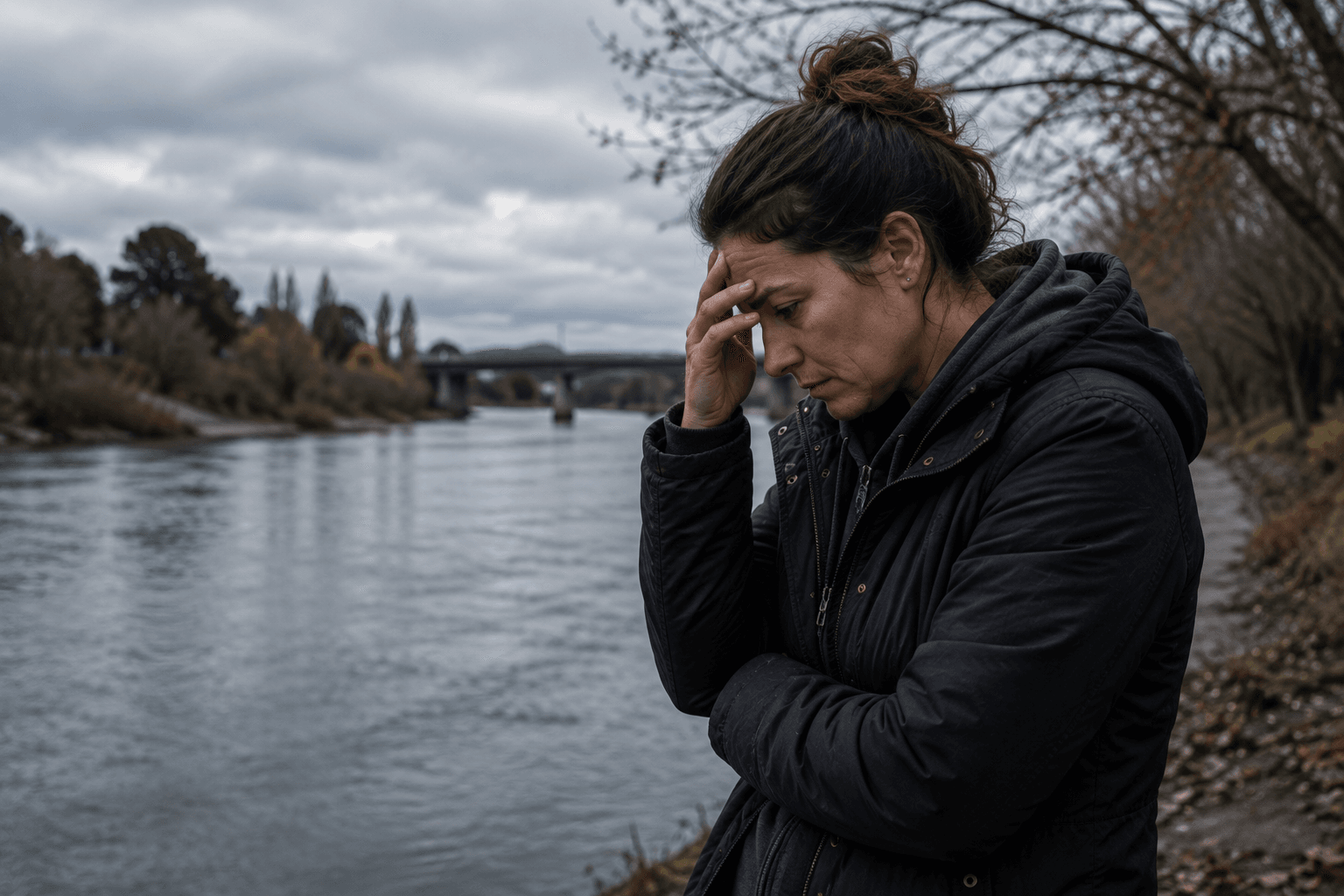
Adult mental health is an important election issue affecting individuals, families, workplaces and communities throughout New Zealand. Timely treatment, stable housing, income security and practical support can determine whether a person is able to recover, remain independent and participate fully in society.
Mental health conditions are real health issues. They can affect a person’s ability to work, study, maintain relationships, manage a household and care for family members. People should not be blamed or denied support simply because their condition is not immediately visible.
What Adult Mental Health Issues Matter Most?
Adults can experience anxiety, depression, trauma, addiction, severe psychological distress and other mental health conditions at any stage of life. For some people, these difficulties are temporary. Others may need ongoing treatment, medication, community support or periods of more intensive care.
Recovery is possible, but it is often affected by how quickly a person can access help. Long waiting times, shortages of clinicians, unaffordable appointments and fragmented services can allow manageable problems to become more serious.
Adults need timely access to GPs, counsellors, psychologists, psychiatrists, addiction services and specialist mental health care.
Medication can be an important part of treatment for some people. Safe prescribing, regular monitoring and careful review are especially important when medication is changed.
People experiencing severe distress need rapid access to crisis teams, safe facilities, emergency care and follow-up support after discharge.
Many people with mental health conditions can work successfully when employers provide flexibility, reasonable adjustments and supportive return-to-work pathways.
People who are temporarily or permanently unable to work need fair access to income support without being pressured beyond their current capacity.
Safe, secure and affordable housing can support recovery, while homelessness, overcrowding and housing insecurity can worsen mental distress.
Mental health and addiction issues can occur together. People need coordinated services rather than being passed between disconnected systems.
Families and carers often provide essential support, but they should have access to information, respite and professional assistance rather than being expected to manage alone.
Local services, peer support, supported living and practical assistance can help people remain connected and reduce avoidable hospital admissions.
What support will be provided to families and carers?
Before the 2026 General Election, political parties should clearly explain how they will improve adult mental health services and support people through treatment, recovery and long-term care.
- How will waiting times for adult mental health services be reduced?
- How will access to counselling, psychology and psychiatry be improved?
- What investment will be made in crisis teams and inpatient services?
- How will people receive continuity of care after leaving hospital or crisis services?
- How will medication changes be monitored when access to healthcare is limited?
- What support will be available for adults who can work only limited hours or whose capacity fluctuates?
- How will employers be encouraged to provide reasonable mental health accommodations?
- How will mental health and addiction services work together more effectively?
- What support will be provided to families and carers?
- How will rural and regional communities receive fair access to treatment?
- How will housing insecurity and homelessness be addressed as mental health issues?
- How will people with lived experience help shape future mental health policy?
Ability to work should not be treated as all or nothing.
Some people can work full time, others may manage part-time or flexible work, and some may be unable to work during periods of illness. Government policy should recognise fluctuating capacity and support gradual, safe participation without removing essential assistance too quickly.
Mental health support is an investment in people and communities.
With timely healthcare, suitable treatment, stable housing, income security and supportive workplaces, many people experiencing mental health conditions can recover, contribute and live fulfilling lives.
This page will be updated throughout the Election 2026 campaign as political parties announce policies on adult mental health, crisis care, addiction treatment, employment, housing and income support.
Read our page about Youth Mental Health in the NZ Election 2026 and explore Healthcare and Access to Care .