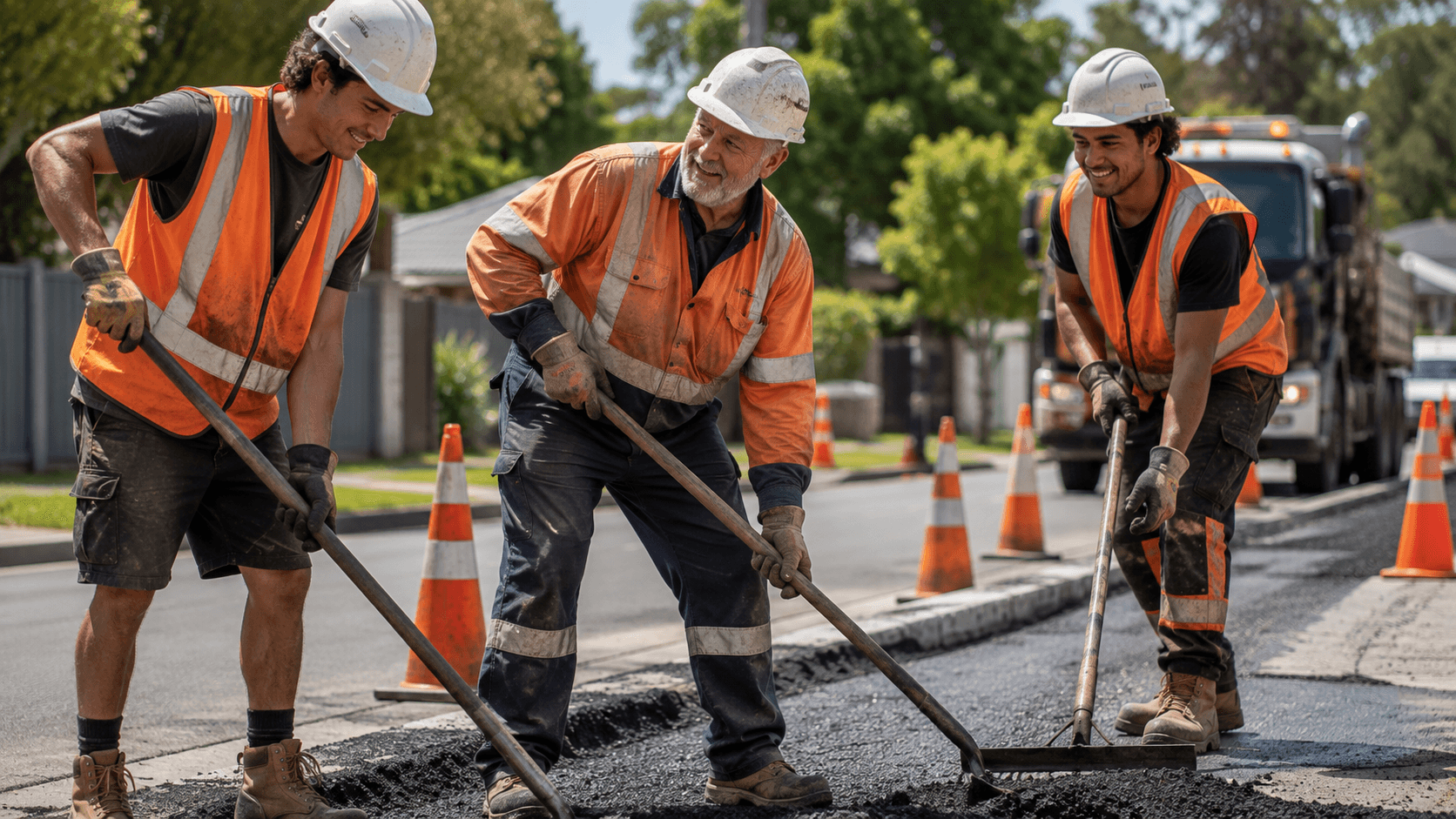
Employment, Unemployment and Fair Work
Employment, Unemployment and Fair Work in the NZ Election 2026
Secure employment, fair wages and inclusive workplaces help individuals, families and communities thrive. During the 2026 General Election, political parties should explain how they will create suitable employment opportunities, protect workers and support people who are unemployed or unable to work full time.
Fair work is not only about creating more jobs. New Zealanders need secure employment, reasonable pay, safe working conditions and genuine opportunities to contribute according to their skills, circumstances and abilities.
What Employment and Fair Work Issues Matter Most?
Employment provides more than an income. A suitable job can offer independence, confidence, social connection, professional development and a sense of purpose. However, not every available job provides fair pay, stable hours, safe conditions or a realistic pathway towards long-term security.
Unemployment can affect people at every stage of life. Young people may struggle to gain their first opportunity, experienced workers may lose jobs through restructuring, and disabled people or those living with illness may face discrimination and inaccessible recruitment processes.
Government policy should support people into suitable work while recognising that work capacity is not always fixed. Some people can work full time, while others may need part-time hours, flexible arrangements, accessible equipment or a gradual return to employment.
New Zealand needs a strong and diverse economy that provides meaningful employment across industries, communities and regions.
People who lose their jobs need fair income assistance, practical employment services and enough time to find work that matches their experience and abilities.
Wages should provide workers with a reasonable standard of living and help households meet the rising costs of housing, food, power, transport and healthcare.
Stable hours, clear employment agreements and fair redundancy processes can give workers and their families greater financial security.
Young people need access to entry-level jobs, work experience, apprenticeships, training and supportive pathways from education into employment.
Vocational education, apprenticeships and workplace training can help address skill shortages while creating practical career pathways.
Disabled people should have equal opportunities to apply for jobs, develop careers and contribute their knowledge, qualifications and lived experience.
Accessible buildings, inclusive technology, suitable equipment and flexible work practices can remove barriers that prevent capable people from working.
Changes such as flexible hours, remote work, modified duties or assistive technology can help employees work safely and effectively.
People returning to employment may need rehabilitation, reduced hours, workplace adjustments and a gradual increase in responsibilities.
Workers should be protected from unsafe conditions, bullying, harassment, exploitation and discrimination.
Rural and regional communities need sustainable employment, local training and economic investment rather than opportunities being concentrated only in major cities.
Work capacity is not always all or nothing.
Disabled people and those living with mental-health conditions, chronic illness or injury may be able to work successfully with flexible hours, accessible workplaces, suitable equipment or gradual return-to-work support. Government policies should encourage participation without forcing people into unsuitable employment or removing essential assistance before their employment is stable.
Employers may also need practical support.
Smaller employers may want to create inclusive jobs but need guidance, funding or specialist assistance to make workplace adjustments. Effective employment policy should support both workers and responsible employers to achieve sustainable outcomes.
Questions Political Parties Should Answer
Before the 2026 General Election, political parties should clearly explain how their policies will create fair employment opportunities, protect workers and support people who are looking for work.
- How will sustainable jobs be created across New Zealand?
- What action will be taken to address unemployment and underemployment?
- How will young people gain work experience and access their first job?
- What support will be provided for apprenticeships and vocational training?
- How will wages respond to increases in essential living costs?
- What protections will workers have during restructuring and redundancy?
- How will workplace bullying, harassment and discrimination be addressed?
- How will disabled people receive equal access to recruitment and career development?
- What assistance will employers receive to make workplaces accessible?
- How will people with fluctuating work capacity be supported?
- How will income support interact with part-time or irregular employment?
- What protections will ensure people are not pressured into unsuitable or unsafe work?
- How will people return safely to work after illness or injury?
- What investment will create employment and training opportunities in regional communities?
- How will remote and flexible working arrangements be supported where appropriate?
Fair employment policy should value every person’s contribution.
A fair employment system should recognise skills and potential rather than making assumptions based on age, disability, health, family responsibilities or current employment status.
This page will be updated throughout the Election 2026 campaign as political parties release policies on employment, unemployment, wages, workplace rights, training, apprenticeships and inclusive employment.
Read more about Income Security in the NZ Election 2026 , explore our Cost of Living page , or visit Disability, Healthcare, Employment and Income Issues .