Social Isolation and Community Connection
Social Isolation and Community Connection in the NZ Election 2026
Feeling connected to other people is an important part of a healthy and inclusive society. During the 2026 General Election, political parties should explain how they will reduce loneliness, strengthen local communities and help people participate in social, cultural, recreational and civic life.
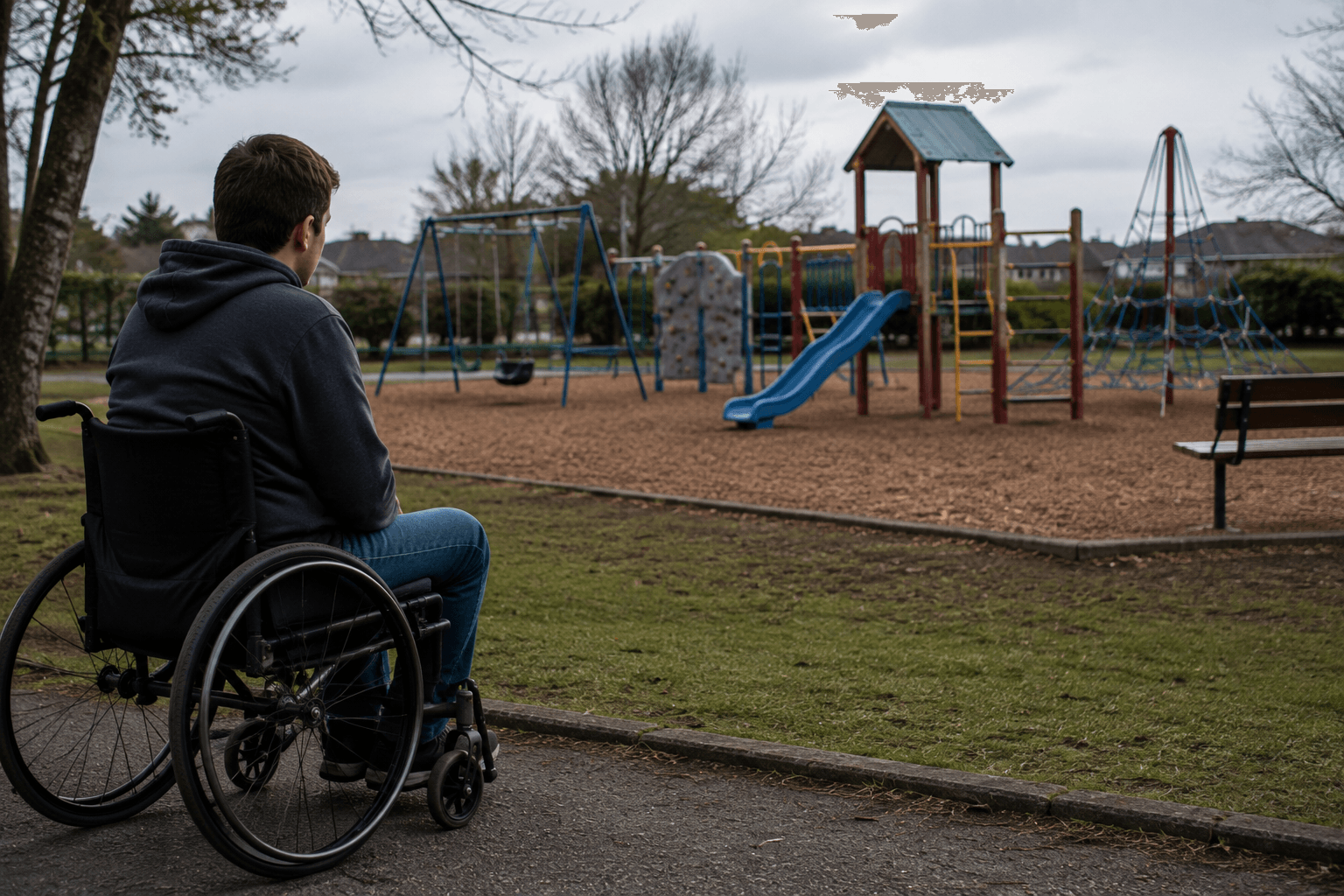
Social isolation can affect people of every age and background. It is often linked to transport barriers, disability, poor health, poverty, inaccessible public spaces, bereavement, unemployment, caring responsibilities and the loss of local services.
What Social Connection Issues Matter Most?
Strong communities help people feel valued, supported and included. Local groups, libraries, community centres, clubs, recreation facilities, volunteering opportunities and neighbourhood networks all create places where relationships can grow.
Social isolation is not always visible. A person may live among other people but still have limited opportunities to leave home, communicate, participate or develop meaningful relationships. Loneliness can affect mental wellbeing, physical health, confidence and independence.
Disabled people, older people, carers, people living alone and those in rural communities may face additional barriers to participation. Community services should be affordable, accessible and available to people with different mobility, sensory, communication and support needs.
Policies should recognise the effect loneliness can have on mental health, physical health, confidence and quality of life.
Libraries, halls, parks, playgrounds, recreation centres and cultural venues should be welcoming and accessible to everyone.
Affordable and accessible transport helps people attend appointments, activities, events and social gatherings.
Older people should have opportunities to remain active, maintain relationships and participate in their communities as circumstances change.
Disability support should enable people to build relationships, attend events, volunteer and participate in community life.
Family carers can become isolated when support, respite and opportunities for social participation are limited.
Young people need safe places, trusted adults, recreational opportunities and supportive communities where they feel they belong.
Volunteering helps people contribute skills, develop friendships and strengthen local organisations and community services.
Local charities, clubs, cultural groups and neighbourhood organisations need sustainable support to continue serving their communities.
Affordable internet, accessible technology and digital-skills support can help people stay connected and access essential services.
People living in small towns and remote communities need local activities, reliable transport and access to community services.
Fees, transport costs, equipment costs and limited income should not prevent people from joining community activities.
Sport, arts, play and recreation programmes should include people of different ages, abilities and support needs.
Community connection is strengthened when people can participate in cultural, language, faith and identity-based groups that matter to them.
Communities should have meaningful opportunities to shape local services, facilities and programmes that affect their lives.
Being present is not the same as being included.
A person may attend a school, workplace, event or community facility but still be excluded by inaccessible spaces, communication barriers, cost, stigma or a lack of appropriate support. Genuine inclusion means being able to participate, contribute and build relationships.
Community connection should be treated as essential infrastructure.
Roads, hospitals and schools are important, but communities also rely on libraries, local halls, parks, clubs, charities and volunteer networks. These services help people stay connected, prevent isolation and strengthen community resilience.
How will loneliness and social isolation be recognised within health and wellbeing policies?
Before the 2026 General Election, political parties should explain how their policies will strengthen local communities, reduce isolation and ensure everyone has meaningful opportunities to participate.
- How will loneliness and social isolation be recognised within health and wellbeing policies?
- What support will be provided to local community organisations and volunteer groups?
- How will libraries, community centres, parks and recreation facilities remain accessible and affordable?
- How will disabled people receive the support they need to participate in community life?
- What respite and social support will be available to family carers?
- How will older people be supported to remain connected and active?
- What safe and inclusive activities will be available for young people?
- How will affordable community transport be improved?
- What action will be taken to improve digital access and digital literacy?
- How will people in rural and regional areas access community activities and support services?
- How will participation costs be reduced for low-income households?
- How will sport, recreation, arts and cultural programmes become more inclusive?
- How will public spaces be designed to encourage safety, accessibility and social connection?
- How will culturally diverse communities be supported to maintain connection and belonging?
- How will local people be involved in decisions about community services and facilities?
Connected communities are stronger communities.
Social connection supports wellbeing, independence, confidence and community resilience. Policies across transport, housing, disability support, healthcare, recreation and digital access can either reduce isolation or make it worse.
This page will be updated throughout the Election 2026 campaign as political parties release policies affecting community participation, loneliness, volunteering, local facilities and social inclusion.
Read more about Rural and Regional Services , explore Transport, Travel and Fuel Costs , or visit Accessible Housing, Transport and Communities .